The best apps to learn languages
Anúncios
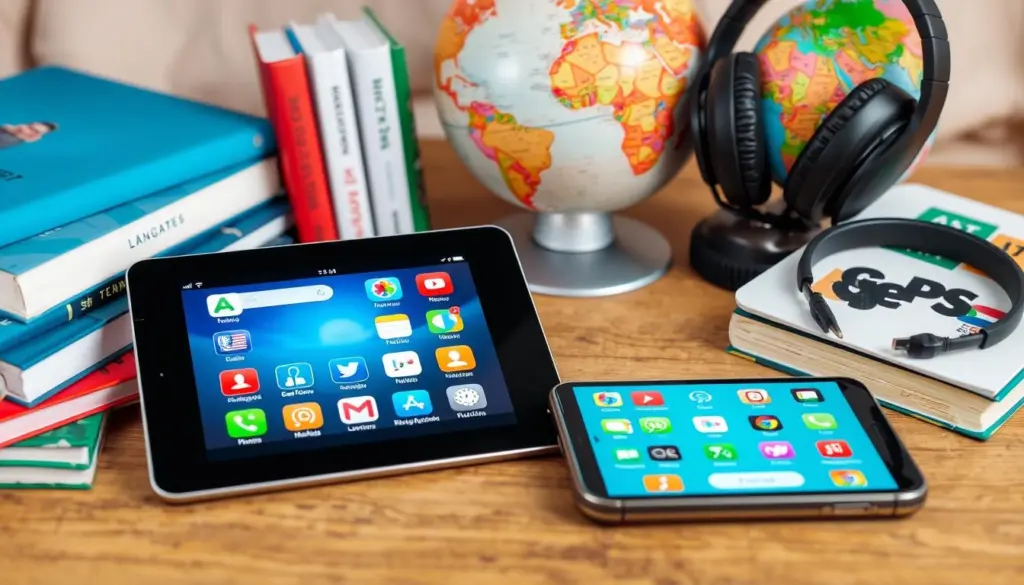
The digital age has changed how we learn languages. Now, apps help us practice languages easily. With my smartphone, I can learn anywhere, anytime.
key takeaways
- language learning apps offer flexibility and comfort.
- They are complemented by traditional teaching methods.
- They facilitate practice anytime, anywhere.
- They incorporate gamification elements to maintain interest.
- They allow for learning customization to adapt to the user's needs.
Introduction to language learning
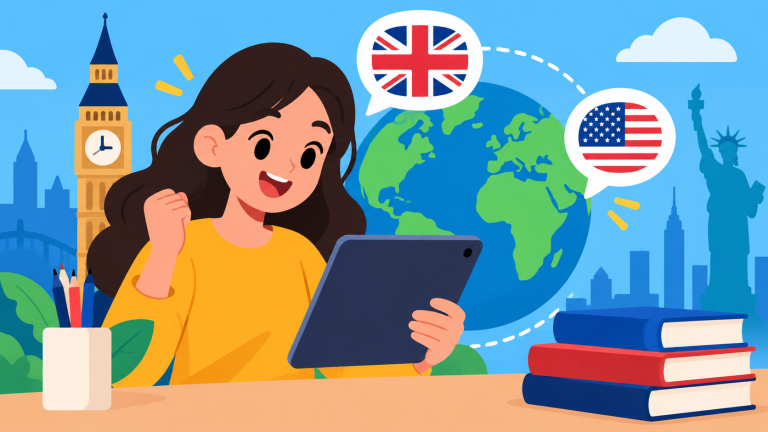
In an interconnected world, learning languages is crucial. Mastering a new language opens professional and cultural doors. It's an enriching and exciting experience.
Why learn a new language?
Learning a language changes the way we think and live. It improves memory and problem-solving skills. By speaking another language, we broaden our perspectives. Reasons to learn languages include traveling, enjoying art and literature, and building international relationships.
Anúncios
Benefits of language learning
The benefits of learning languages extend far beyond work. They boost our confidence and social skills, improving our conversations and helping us make friends. Furthermore, they allow us to better enjoy and understand different cultures when traveling.
| Reasons to learn languages | Benefits of learning languages |
|---|---|
| Access to new cultures | Increased confidence |
| Improved job opportunities | Development of social skills |
| cognitive stimulation | Personal enrichment |
| Ability to travel more easily | Deepening the local culture |
Language learning: the features that apps should have
When choosing language learning apps, I look for certain key features. These can vary, but some are essential. The first is interactive learning . An interactive app makes practicing dynamic and more fun.
Interactivity and gamification
Gamification in learning makes tasks challenging. For example, earning points for completing tasks or competing with friends motivates continued learning. Combining interactivity and gamification makes learning more enjoyable.
Variety of resources and tools
Having access to a wide variety of resources is crucial. The best apps offer a wide variety of tools. From videos and audios to practical exercises, each one helps you learn in different ways. I like having options, as it enhances my experience and keeps me engaged.
Personalization of learning
Learning customization is essential. Everyone learns at their own pace. Therefore, apps must allow us to progress according to our needs. Being able to choose what to improve in the language is essential to getting the most out of each session.
The best apps available
Choosing the right language learning app is crucial. In this article, I'll show you the best options. We'll explore their unique features and approaches.
Duolingo: The popular free option
Duolingo is famous for its user-friendly interface and interactive lessons. It makes learning fun and keeps users motivated. Because it's free, you can learn several languages at no cost.
Babbel: Focus on practical conversation
Babbel focuses on practical conversation. It's perfect for those who want to speak in real-life situations. Its lessons, created by linguists, effectively improve your communication skills.
Rosetta Stone: Total Language Immersion
Rosetta Stone immerses you in the language. Its approach is learning through experience and practice, not just memorization. This helps you understand the language naturally and authentically.
Busuu: a community for practice
Busuu combines structured lessons with the opportunity to speak with native speakers. This social network allows you to practice with people from all over the world. Being part of an active community enriches your learning.
Tips to maximize the use of language learning apps
To get the most out of language learning apps, having a strategy is key. It's essential to set goals and practice every day. These actions not only help you move forward, but also maintain motivation and progress.
Setting learning goals
Defining clear goals is essential for guiding our efforts. By having specific objectives, we can effectively measure our progress. For example, instead of saying "I want to learn English," we can say "I want to learn 20 new words this week" or "I'm going to do one lesson from the app every day." These goals help us feel more accomplished and motivated.
The importance of daily practice
Daily practice is an important pillar of my routine. Even if it's just for a few minutes, studying or interacting with the language every day improves a lot. Doing activities like listening to music, watching movies, or reading in the language I'm learning makes learning more fun and enriching.
| Learning Tips | Description |
|---|---|
| set clear goals | Define specific and achievable goals related to language learning. |
| practice daily | Engage in practice activities every day, even just a few minutes. |
| Use varied methods | Include resources such as movies, music, and reading to enrich the process. |
Testimonies and personal experiences
I've learned languages with Duolingo and Babbel . Both apps have changed my life. Now I can speak with more confidence in different situations.
My learning journey with Duolingo
I started with Duolingo . The app is fun and easy to use. Duolingo testimonials show how much progress you can make.
Over time, I felt more confident speaking the language.
How Babbel transformed the way I communicate
Then I tried Babbel . It focuses on speaking like in real life. I learned phrases and vocabulary for everyday life.
| Application | Our Approach | Benefits |
|---|---|---|
| Duolingo | Gamification | Motivation through games and rewards |
| Babbel | Practical conversation | Improvement in communication skills in real-life situations |
Conclusion
Technology has changed how we learn languages. Platforms like Duolingo, Babbel, and Rosetta Stone offer innovative methods. These apps adapt to each individual, making learning accessible and fun.
The future of language learning is bright. Apps continue to evolve, offering more tools to personalize learning. Everyone can find the perfect app for their needs.
Language learning apps create a global community. I'm excited to continue learning and improving my skills. I invite you to explore this fascinating world and take advantage of these digital tools.
FAQ
What is the best app for learning languages?
The best app will depend on your needs. Duolingo is highly recommended for being free and fun. Babbel, on the other hand, focuses on practicing conversations.
How much time should I spend learning a language every day?
Dedicate at least 15-30 minutes a day. Daily practice is key to improving and consolidating what you've learned.
Do apps really help you learn languages?
Yes, apps like Rosetta Stone and Busuu are effective. They offer interactive and fun learning.
Can I learn a language without prior experience?
Absolutely. Many apps are designed for beginners. Duolingo and Babbel are great places to start.
How can I make learning more effective?
Set clear goals and practice every day. Combining the app with other resources, such as movies or music, enhances your learning.
Is it difficult to learn a new language?
Learning a new language can be a challenge. But with perseverance and the right tools, it's easier. Apps make the process more fun.
What features should I look for in a language app?
Look for interactive apps with gamification and customization. This will make your learning more engaging and effective.